The essentials
- Heating water costs more than anything else in the home except heating and cooling, at about 18 percent of the utility bill.
- Setting the thermostat to 120 degrees F and fixing dripping faucets are free or nearly free ways to cut waste.
- An insulation jacket rated R-8 or better plus pipe insulation can pay for itself in lower bills in less than a year.
- A heat pump water heater uses about one-quarter the energy of a standard electric model and can save a family of four about $600 a year.
- A federal tax credit covers 30 percent of a qualifying water heater’s cost, up to $600, and some state rebates offer even more.
Heating water costs more than anything in your home except heating and cooling, and it usually takes about 18 percent of the utility bill. That makes it one of the first places to look for savings, and most of the changes below cost little or nothing. One of them is a replacement worth planning for before the current tank fails.
1. Turn Down the Thermostat to a Safe Setting
Many water heaters leave the factory set to 140 degrees F or higher, which is hotter than most households need. For most homes, 120 degrees F provides comfortable hot water for showers, dishes and laundry. The Department of Energy estimates that each 10-degree reduction in water temperature saves up to 5 percent on water heating costs. A lower setting also slows mineral buildup in the tank and reduces the risk of scalding at the tap.
How to adjust it:
- Electric units: shut off power at the breaker, remove the access panel and turn the thermostat dial with a flat-head screwdriver. Many tanks have two thermostats; set both the same.
- Gas units: turn the temperature knob near the bottom of the tank to the “warm” or 120-degree setting.
Wait a few hours, then test the water at a faucet with a thermometer and fine-tune if needed. If you are not comfortable doing this, a plumber can make the change during a routine service visit. If the household does need hotter stored water, a thermostatic mixing valve lets the tank run at a higher temperature while blending cold water in at the fixtures to prevent scalds.
Pro tip
According to electric cooperative savings guidance, timer controls that switch the water heater off overnight can pay for themselves in lower bills in about 14 months.
2. Take Care of Dripping Faucets
A faucet that drips wastes water quickly, and if the leak is on the hot side you are paying to heat water that never gets used. Take care of the problem right away. Most drips come from a worn washer, O-ring or cartridge, which are inexpensive parts and a common first plumbing repair. If the whole fixture is worn out, Getting Started With Replacing a Kitchen Faucet covers shutoff valves and removal steps. A running toilet or a leak hidden inside a wall calls for a licensed plumber.
3. Insulate the Tank and the First Six Feet of Pipe
An uninsulated tank in a cool basement loses heat around the clock, forcing the heater to cycle on to replace warmth that escaped into the room. Wrapping an older tank and the accessible piping can trim an estimated 7 to 16 percent from annual water heating energy use.
- Look for a jacket rated R-8 or better; if only R-5 jackets are on the shelf, layer two of them. Jackets run about $10 to $20 and can pay for themselves in lower bills in under a year.
- On an electric tank, do not cover the thermostat.
- On a gas or oil tank, keep the jacket clear of the top, the bottom drain and the burner compartment, and make sure airflow to the burner is not blocked. When in doubt, follow the manufacturer’s directions.
- Wrap the hot and cold water lines at the heater, at least the first 6 feet running to and from the tank. That cuts heat loss at the tank and shortens the wait for hot water at the faucet.
Newer tanks are often well insulated already, so the biggest gains come on older units.
4. Flush Sediment From the Tank
Sediment settles at the bottom of a storage tank, where it impedes heat transfer and lowers the heater’s efficiency. Draining a quart of water from the tank every three months removes some of that buildup. Follow the manufacturer’s directions for your model.
The short version: shut off power or set a gas unit to pilot, attach a hose to the drain valve, run a few quarts into a bucket and close the valve again. The water will be hot, so keep hands and feet out of the way. If the tank has never been flushed, have a plumber handle the first one.
5. Install Low-Flow Showerheads and Aerators
Federal rules cap new showerheads at 2.5 gallons per minute at 80 pounds per square inch of water pressure, but older fixtures can flow well past that. Quality low-flow faucets and showerheads cost around $10 to $20 apiece and cut water use by 25 to 60 percent. Since much of shower water is hot, less flow means less water heated.
The scale is easy to underestimate. A family of four, each person showering five minutes a day, runs about 700 gallons a week through the shower, and switching to low-flow showerheads and faucets can cut that in half. Installation is usually a matter of unscrewing the old head, wrapping the threads with plumber’s tape and threading on the new one.
6. Wash Clothes Cold and Run Full Loads
Laundry and dishwashing send hot water down the drain all day, so habits matter here:
- Wash clothes in cold water whenever the load allows. Cold washing eliminates the water heating cost for that load entirely.
- Run the washer and dishwasher only with full loads.
- When an appliance wears out, choose water-saving ENERGY STAR models and compare them with the yellow EnergyGuide label.
- Turn the water heater off at the breaker or gas control when you leave on vacation.
7. When an Upgrade Like a Heat Pump Water Heater Pays Off
Water heaters typically last 10 to 15 years, and Energy.gov advises starting to shop when yours is more than 7 years old, so you can research options instead of buying in an emergency.
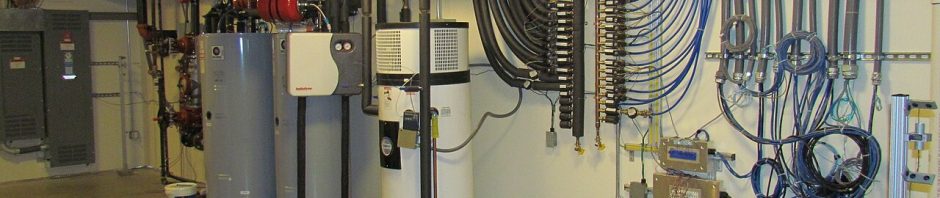
A heat pump water heater, sometimes sold as a hybrid electric model, uses about one-quarter the energy of a standard electric water heater. ENERGY STAR estimates a household of four saves about $600 per year on electric bills compared with a standard model, and more than $4,500 over the appliance’s lifetime, which covers the higher upfront cost in about three years. Certified models carry a minimum 6-year manufacturer warranty.
The Department of Energy’s Federal Energy Management Program has found that a certified heat pump model pays for itself as long as its price over a less efficient unit stays at or below $2,500. A federal tax credit is valued at 30 percent of the cost, up to $600, and state-run rebate programs may offer up to $8,000 off projects that significantly cut household energy use. Check your state’s program for eligible products.
Check the space before you buy. These units need a location that stays between 40 and 90 degrees F year-round with about 1,000 cubic feet of air around them, because they pull heat from the surrounding air.
New federal efficiency standards finalized in 2024 take effect in 2029 and are expected to put heat pump technology in more than half of newly manufactured electric storage water heaters, up from 3 percent today. The Department of Energy estimates that replacing a traditional electric resistance model with a heat pump unit saves about $1,800 on average over the appliance’s life. If you heat water with natural gas, an on-demand tankless gas heater can save up to 30 percent compared with a standard gas storage tank, according to Energy.gov.
Switching from a gas, oil or propane heater to an electric model also removes a combustion appliance and its carbon monoxide risk from the house, a good moment to check that your smoke and carbon monoxide alarms are placed and tested correctly.
Related guides
- Smoke and Carbon Monoxide Alarms: Where to Put Them and How to Test Them: placement and testing basics, useful if any fuel-burning appliance remains in the home.
- A Fall Home Maintenance Checklist: a good place to fold in water heater checks such as flushing the tank and confirming the thermostat setting.
Common questions
What temperature should a water heater be set to?
For most households, 120 degrees F provides comfortable hot water for showers, dishes and laundry. Each 10-degree reduction saves up to 5 percent on water heating costs and lowers the risk of scalding.
How often should I flush my water heater?
Draining a quart of water from the tank every three months removes sediment that impedes heat transfer and lowers efficiency. Always follow the manufacturer’s directions for your model.
Do heat pump water heaters work in cold climates?
Yes. They are hybrid units that work in both warm and cold climates, though they may temporarily switch to backup electric resistance in cold months. They need a space that stays between 40 and 90 degrees F with about 1,000 cubic feet of air around the unit.
When should I replace my water heater?
Most water heaters last 10 to 15 years. Energy.gov advises starting to shop when yours is more than 7 years old so you can research options instead of buying during an emergency.
This guide is general information, not professional advice. Follow the manufacturer’s instructions and your local building codes, and hire a licensed professional for electrical, gas, structural or roofing work.